
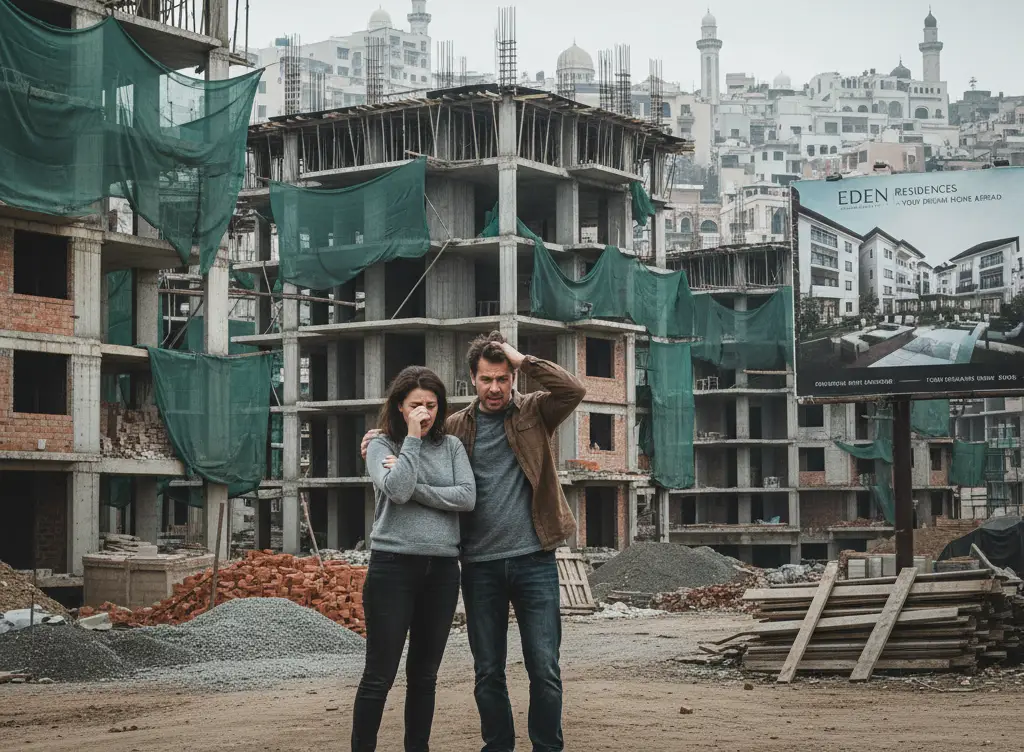
The allure of buying property overseas is undeniable. It starts with a glossy brochure or a high-definition rendering on a sleek website. You see floor-to-ceiling windows overlooking a turquoise sea, a private infinity pool, and a price tag that seems impossibly low compared to the market back home. The developer promises high rental yields, capital appreciation, and a slice of paradise. It feels like the smartest financial move you could make.
But for many, this dream scenario dissolves into a financial and emotional wreck. Buying “off-plan”—purchasing a property before it has been built—carries inherent risks even in your home country. When you add international borders, different legal systems, language barriers, and fluctuating exchange rates, those risks multiply exponentially.
While there are certainly success stories, the landscape of international real estate is littered with cautionary tales. From concrete skeletons left rotting in the Spanish sun to legal battles over land titles in Southeast Asia, the path to foreign property ownership is rarely a straight line. Before you transfer that deposit, it is vital to understand what happens when things go wrong.
The Ghost Towns: Delayed and Abandoned Projects
The most common and devastating horror story involves the development that simply never gets finished. In these scenarios, investors pay substantial deposits—sometimes up to 50% or even 100% of the property value—only to watch construction stall, sputter, and eventually stop altogether.
The reasons vary. Sometimes the developer runs out of money. Sometimes they never had the correct planning permissions to begin with. In the worst cases, it is a Ponzi scheme where deposits from new buyers are used to pay off previous debts until the house of cards collapses.
The Spanish “Ghost Estate” Experience
Consider the story of Graham and Sheila, a retired couple from the UK who decided to invest their pension lump sum into a new development on the Costa del Sol. In 2006, the market was booming. They were shown architectural plans for a luxury two-bedroom apartment in a complex featuring golf courses and swimming pools. They put down a €60,000 deposit.
By 2008, the financial crisis hit. The developer went bankrupt. Construction stopped with only the foundations laid. Because the developer hadn’t secured the mandatory bank guarantees required by Spanish law—and Graham and Sheila’s lawyer hadn’t checked—their money was unsecured.
For over a decade, the site remained an abandoned eyesore. Graham and Sheila spent thousands more on legal fees trying to claw back their deposit. They eventually recovered a portion of it through a class-action lawsuit against the bank, but the stress took a massive toll on their health, and their dream retirement home never materialized.
The “Luxury” Mirage: Quality and Construction Issues
Sometimes the building does get built, but the keys you are handed open the door to a disappointment rather than a dream home. “Bait and switch” tactics are unfortunately common in unregulated international markets. The high-end finishes, Italian marble, and German appliances seen in the show home are replaced with cheap substitutes in the final unit.
Beyond aesthetics, there can be serious structural issues. Building codes in some popular expatriate destinations may not be as rigorously enforced as they are in the US or Northern Europe.
The Crumbling Villa in Turkey
David, an investor from Germany, bought a detached villa off-plan in a resort town in Turkey. The brochure promised a “high-spec, earthquake-resistant luxury build.” He visited the site when the concrete frame was up and everything looked promising.
However, he was unable to visit during the finishing stages. When he arrived for the handover, the reality was shocking. The “marble” floors were low-grade ceramic tiles. The windows were single-glazed rather than the promised double-glazing, making the house unbearably hot. Worse, within six months, major cracks appeared in the swimming pool, causing it to leak into the neighbor’s garden.
David discovered that the developer had cut corners to save money as inflation drove up construction costs. Because the “snagging list” (the list of defects to be fixed) was not legally binding in the way he assumed, the developer simply refused to fix the issues. David had to spend an additional €25,000 of his own money to make the house habitable and safe.
Lost in Translation: Legal and Contractual Pitfalls
Perhaps the most treacherous aspect of buying off-plan abroad is the legal landscape. Property laws vary wildly from country to country. In some nations, foreigners cannot directly own land. In others, the legal protections for buyers are virtually non-existent.
A major red flag is when a developer insists you use their recommended lawyer to “save time and money.” This lawyer acts for the developer, not you, creating a massive conflict of interest.
The Leasehold Trap in Bali
Sarah, an entrepreneur from Australia, fell in love with Bali. She decided to buy a villa off-plan in a trendy area like Canggu. As a foreigner, she knew she couldn’t own freehold land (Hak Milik), so she entered into a leasehold agreement (Hak Sewa) for 25 years.
The developer’s lawyer drafted the contract. Sarah, trusting the “friendly” nature of the transaction, didn’t hire independent counsel. Three years later, the villa was built and she was enjoying rental income. Then, the landowner—the person who actually owned the dirt the villa sat on—passed away.
The heirs to the land challenged the contract, claiming the original signature was forged or that the terms of the lease extension were invalid. Because the contract was poorly drafted (in favor of the developer and landowner), Sarah found herself in a precarious position. She faced a choice: walk away from her investment or pay a massive “renegotiation fee” to the heirs to keep the villa she had already paid for.
The Money Pit: Financial Risks and Hidden Costs
The sticker price on the website is rarely the price you end up paying. When buying off-plan internationally, you expose yourself to macroeconomic forces that are entirely out of your control. Currency fluctuation is the silent killer of overseas investments.
If your income is in US Dollars but your mortgage or stage payments are in Euros or Thai Baht, a shift in the exchange rate can instantly increase the cost of your property by 10% or 20%. Additionally, many off-plan contracts have clauses that allow developers to pass on increased construction costs to the buyer.
The Currency Crisis in France
Michael and Jennifer, an American couple, decided to buy a ski chalet in the French Alps off-plan. The purchase price was €500,000. At the time they signed the contract, the exchange rate was favorable, and they budgeted accordingly.
The payment structure required stage payments over two years as construction progressed. Midway through the build, the US dollar weakened significantly against the Euro. Suddenly, each scheduled payment was costing them thousands of dollars more than they had budgeted.
To make matters worse, the development was hit with a “community infrastructure levy”—a local tax for connecting the new chalets to the town’s sewage and electrical grid. This fee was mentioned in the fine print of the French contract but was never verbally explained to them. By the time the chalet was finished, they had gone $40,000 over budget, forcing them to dip into their children’s college funds to complete the purchase.
Due Diligence: How to Protect Yourself
Reading these stories might make you want to keep your money under a mattress. However, buying off-plan abroad can be successful if you approach it with extreme caution and professional support. The key is to remove emotion from the equation and treat it as a rigorous business transaction.
Here is how you can safeguard your investment:
1. Independent Legal Advice is Non-Negotiable
Never, ever use the lawyer recommended by the developer or the real estate agent. Find a lawyer who is fluent in both your language and the local language, is a specialist in property law, and has no ties to the seller. They must vet the contract and the land titles.
2. Demand Bank Guarantees
In many countries, developers are legally required to provide a bank guarantee for your deposit. This means if the developer goes bust, the bank refunds your money. Ensure you have the physical document of this guarantee before handing over a cent.
3. Check the Developer’s Track Record
Don’t be a guinea pig for a new developer. Look for companies with a long history of completed projects. Go and see their previous buildings. Talk to people who live there. If a developer has a history of late delivery or poor quality, walk away.
4. Understand the Payment Structure
Ideally, payments should be linked to certified stages of construction (e.g., foundation laid, roof on), not just calendar dates. This ensures you aren’t paying for work that hasn’t been done.
5. Visit the Site
Do not buy based on a video call. Go to the location. Is it really “5 minutes from the beach” or is it a 20-minute drive? Is there a noisy highway nearby that wasn’t on the rendering?
Navigating the International Market Safely
The dream of owning property abroad does not have to turn into a nightmare. The difference between the horror stories of Graham, David, Sarah, and Michael and a successful investment usually comes down to due diligence.
The international property market is not a place for shortcuts. It requires patience, skepticism, and a willingness to walk away if the paperwork doesn’t stack up. If a deal looks too good to be true, or if a developer pressures you to sign quickly to “secure the price,” alarm bells should ring. By arming yourself with independent experts and asking the hard questions, you can ensure that your off-plan purchase results in a tangible asset rather than a cautionary tale.
Meta data
Meta title
Buying Abroad? The Off-Plan Property Nightmares You Need to Know
Meta description
Thinking of buying international property off-plan? Read these horror stories of scams, delays, and hidden costs before you sign the contract.
At Gladorian, we specialize in safeguarding foreign property buyers by acting as a trusted intermediary between developers and clients. Our mission is to ensure transparency, security, and peace of mind throughout the international property purchasing process. With our expertise, you can invest with confidence, knowing your interests are protected every step of the way.
Join The Discussion